
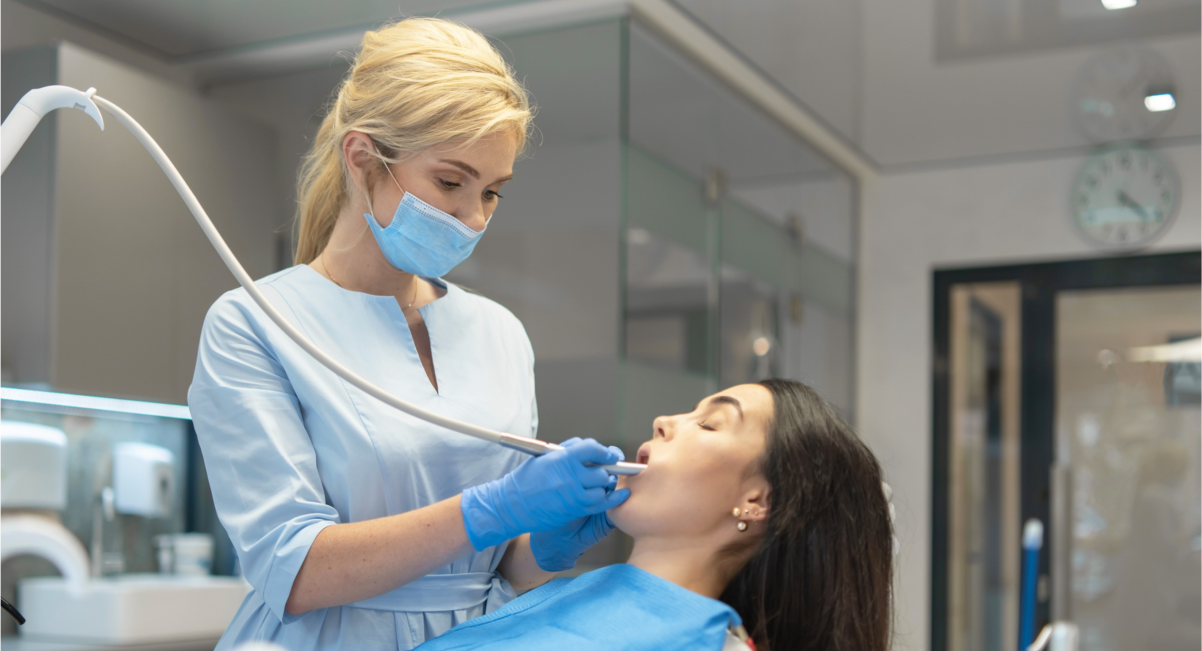
Imagine a tool that whispers secrets about your dental health before obvious signs appear. Salivary diagnostics offers this possibility. Your saliva is not just a fluid but an early-warning system. It can reveal potential dental issues like gum disease or cavities long before you notice symptoms. By knowing what your saliva shows, you can take action to prevent more serious issues. Downtown Toronto dentist advocates for using this simple method to predict future dental problems. It helps you stay one step ahead and keep your smile healthy. This tool can help you understand your oral health better than ever before. With this knowledge, you can make informed decisions about your dental care. Salivary diagnostics is quick and non-invasive, making it an accessible option for many. This approach not only helps you but also relieves the fear of unexpected dental visits.
How Saliva Works as an Early-Warning System
Saliva carries markers that can show the presence of bacteria linked to dental diseases. By examining these markers, dentists can identify potential problems before they escalate. This proactive method encourages preventive care, which is more effective after treatment. Regular saliva checks can help spot changes in your oral health and enable immediate intervention. This can save time, reduce costs, and improve your overall dental experience.
Benefits of Salivary Diagnostics
- Non-Invasive: Saliva tests are simple and painless.
- Early Detection: Identifies potential issues before they become serious.
- Cost-Effective: Preventive care often reduces future dental expenses.
By learning about potential dental issues early, you can maintain good oral health. This method allows you to make informed choices and avoid emergency dental visits.
What Can Saliva Reveal?
Saliva can show various conditions related to dental health. Here is a simple comparison of what saliva can detect:
| Condition | Salivary Indicator | Potential Outcome |
|---|---|---|
| Gum Disease | High levels of bacteria | Inflammation and discomfort |
| Cavities | Acidic pH levels | Tooth decay |
| Oral Cancer | Specific proteins | Early intervention possible |
This table provides a snapshot of how saliva acts as an indicator for dental conditions. Using this data can help guide your dental care decisions.
How to Access Salivary Diagnostics
Most dental clinics now offer saliva testing as part of routine check-ups. It’s an easy addition to your dental care regimen. To learn more, check resources like the Centers for Disease Control and Prevention Oral Health and your local dental care providers. These tests can be part of regular dental examinations, making it convenient for patients to monitor their oral health.
Real-Life Impact
Consider the story of Lucy, who visited her dentist for a routine check-up. Her saliva test indicated high acidity levels. With this information, her dentist suggested changes in her diet and dental hygiene habits. As a result, Lucy prevented potential cavities and maintained her oral health. This kind of proactive care is becoming more common as salivary diagnostics gain popularity.
Conclusion
Salivary diagnostics provide a unique opportunity to predict and prevent dental disease. By using your saliva as an early-warning system, you can identify issues before they become severe. This approach encourages preventive care, saving time, reducing costs, and improving your dental experience. It’s an effective tool in maintaining a healthy smile. Engaging with resources such as National Institute of Dental and Craniofacial Research can help you learn more about this innovative method. Take control of your dental health today and consider incorporating salivary diagnostics into your regular care routine.