
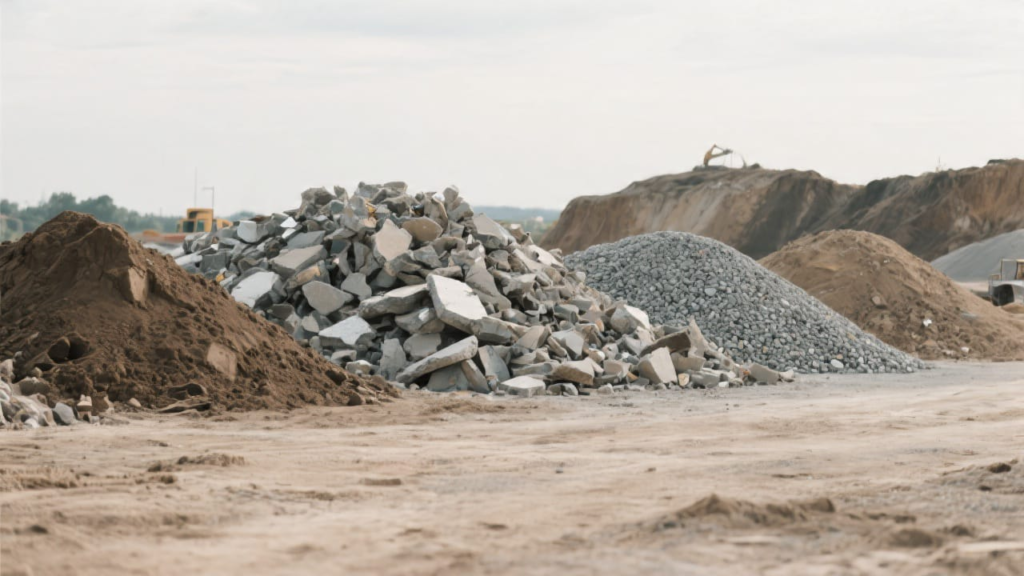
Excavation projects generate massive amounts of material – soil, rock, concrete, asphalt, and mixed debris that are often treated as waste. Traditionally, this material is loaded, hauled away, and dumped, adding cost and slowing down operations. But with modern recycling equipment, contractors can completely change that equation. Instead of paying for disposal, you can process material directly on-site and create a product you can reuse or sell. The shift from waste to resource is what makes excavation waste recycling one of the most profitable opportunities on today’s jobsites.
In this guide, we’ll break down how to turn excavation waste into sellable material on the same day – step by step.
Why Excavation Waste Is More Valuable Than You Think
Most contractors underestimate the value sitting in their waste piles. Excavated materials are often rich in reusable components that can be processed into usable aggregate.
Common materials you can repurpose:
- Concrete chunks from demolition
- Asphalt from roadwork
- Natural stone and gravel
- Mixed fill material
Instead of treating these as disposal problems, you can turn them into revenue-generating assets. This is the foundation of turn construction waste into profit.
Step 1: Identify Reusable Material Early
The process starts before excavation even begins. Knowing what materials you’ll encounter allows you to plan for efficient processing.
Key actions:
- Review site history and material composition
- Separate clean materials from contaminated ones
- Plan staging areas for sorting and processing
Proper identification ensures that your excavation waste recycling process runs smoothly and produces high-quality output.
Step 2: Set Up On-Site Processing
Speed is everything when your goal is same-day reuse or sale. Having the right on-site material processing equipment is critical.
Typical setup includes:
- A compact crusher for breaking down large material
- A screener for sorting by size
- Conveyors or loaders for efficient handling
By setting up processing directly on the jobsite, you eliminate delays associated with transportation and off-site facilities.
Step 3: Crush and Screen Material Efficiently
Once your system is in place, the next step is turning raw debris into usable material.
Crushing:
Break down large pieces of concrete, asphalt, or rock into smaller fragments.
Screening:
Separate material into different sizes based on intended use.
This process allows you to produce consistent, marketable material that meets jobsite or buyer requirements.
Step 4: Match Output to Demand
To sell recycled aggregate same day, you need to produce material that people actually need.
Common product sizes:
- Base material for roads and foundations
- Fine aggregate for fill and leveling
- Larger stone for drainage or landscaping
Understanding local demand ensures that your processed material doesn’t sit idle. Instead, it becomes a fast-moving product.
Step 5: Reuse Material Immediately
The fastest way to generate value is to reuse material on-site.
Benefits of on-site reuse:
- Eliminates the need to purchase new aggregate
- Reduces transportation costs
- Speeds up project timelines
Knowing how to reuse excavation materials on site can dramatically improve efficiency and reduce overall project costs.
Step 6: Sell Excess Material the Same Day
If you produce more material than you need, the next step is selling it.
Potential buyers include:
- Local contractors
- Landscaping companies
- Road construction crews
- Property developers
With proper planning, you can create a system where material is processed and sold within hours, turning waste into immediate cash flow.
The Financial Advantage
The ability to process and sell material quickly creates multiple financial benefits.
Cost savings:
- Reduced hauling and disposal expenses
- Lower fuel and labor costs
- Less reliance on external suppliers
Revenue generation:
- Direct sales of recycled aggregate
- Increased project margins
- Faster return on investment
This is why turn construction waste into profit is not just a concept – it’s a proven strategy used by efficient contractors.
Speed as a Competitive Advantage
In construction, speed often determines profitability. The faster you can move material through your workflow, the more efficient your operation becomes.
Same-day processing advantages:
- No backlog of material
- Continuous workflow
- Faster job completion
Using on-site material processing equipment, you can eliminate delays and keep your project moving forward without interruption.
Common Challenges and How to Overcome Them
While the benefits are clear, there are a few challenges to consider.
1. Material contamination
Solution: Pre-sort materials and remove debris like wood or plastic.
2. Equipment setup time
Solution: Use compact, mobile systems that are quick to deploy.
3. Finding buyers
Solution: Build relationships with local contractors and suppliers in advance.
4. Quality control
Solution: Use proper screening and consistent processing methods.
Addressing these issues ensures that your excavation waste recycling process remains efficient and profitable.
Real-World Workflow Example
A typical same-day recycling operation might look like this:
- Excavation begins in the morning
- Material is sorted and staged
- Crushing and screening start immediately
- Recycled aggregate is produced within hours
- Material is reused or sold by the end of the day
This streamlined approach transforms the jobsite into a self-sustaining system.
Environmental and Regulatory Benefits
Beyond profit, recycling excavation waste offers important environmental advantages.
- Reduces landfill usage
- Lowers carbon emissions from transport
- Conserves natural resources
- Supports sustainable construction practices
Many regions now encourage or require recycling, making it a key part of modern construction operations.
When This Approach Makes the Most Sense
Turning excavation waste into sellable material is especially effective when:
- Projects generate large volumes of debris
- Disposal costs are high
- There is local demand for aggregate
- Contractors manage multiple jobsites
For these scenarios, same-day processing becomes a powerful tool for improving efficiency and profitability.
Final Thoughts
Excavation waste doesn’t have to be a burden. With the right strategy and tools, it can become one of the most valuable parts of your operation.
By leveraging on-site material processing equipment and focusing on speed, you can move from disposal to production – turning waste into usable, sellable material in a single day.
The ability to sell recycled aggregate same day is not just about convenience – it’s about creating a smarter, more efficient business model.
If you’re still hauling material away as waste, you’re leaving money on the table. The opportunity to transform that material into profit is already within reach.