When the thermometer hits 100°F, a crushing job stops being just about tonnage and starts being about heat management. Your compact jaw crusher, your crew and your material all behave differently in the summer, and the contractors who plan for it keep producing while others wait for the evening.
Crushing concrete in hot weather is entirely workable. It just asks you to think about cooling, fluids, dust, scheduling and people before the first load arrives. Here’s the playbook.
How Heat Changes the Job
Heat stresses everything at once. Engines and hydraulic systems run hotter, dust hangs in dry air, tires and tracks take more punishment from hot ground, and operators tire faster. Small problems that you’d ignore in spring, like a clogged radiator screen or a low coolant level, can shut a machine down in July. Most summer trouble falls into four areas: cooling, maintenance, dust and people.
1. Crusher Overheating Prevention
The best defense against a heat-related shutdown is a routine you follow every day.
- Keep cooling surfaces clean. Dust and debris pack into radiators and coolers quickly in dry climates. Check and clear them at the start of each shift, following your manufacturer’s instructions.
- Check fluid levels often. Coolant, engine oil and hydraulic oil all matter more when it’s hot, so inspect them before you start and again midday.
- Watch the gauges. Rising temperatures are an early warning. Stop and investigate instead of pushing through.
- Don’t overload the machine. A steady, moderate feed keeps engine and hydraulic loads in check. Surges make heat spikes more likely.
- Give it a cool-down. Let the machine idle briefly before shutting down after heavy work, if your manual recommends it.
2. Summer Crusher Maintenance
Heat accelerates wear, so summer crusher maintenance deserves its own schedule.
- Inspect belts and hoses. Heat dries and cracks rubber, so look for signs of wear and replace early.
- Use the right lubricants. Grease and oil rated for your temperatures hold up better. Check your manual for what the manufacturer specifies.
- Check filters. Dust loads up air filters fast in desert conditions, so inspect and replace them more often.
- Watch the wear parts. Liners and screen media already near the end of their life are likelier to fail when the machine is working hard. Replace them before the season starts if you can.
- Shade and storage. If you can park the machine out of direct sun overnight, do it.
3. Dust Control and Desert Concrete Recycling
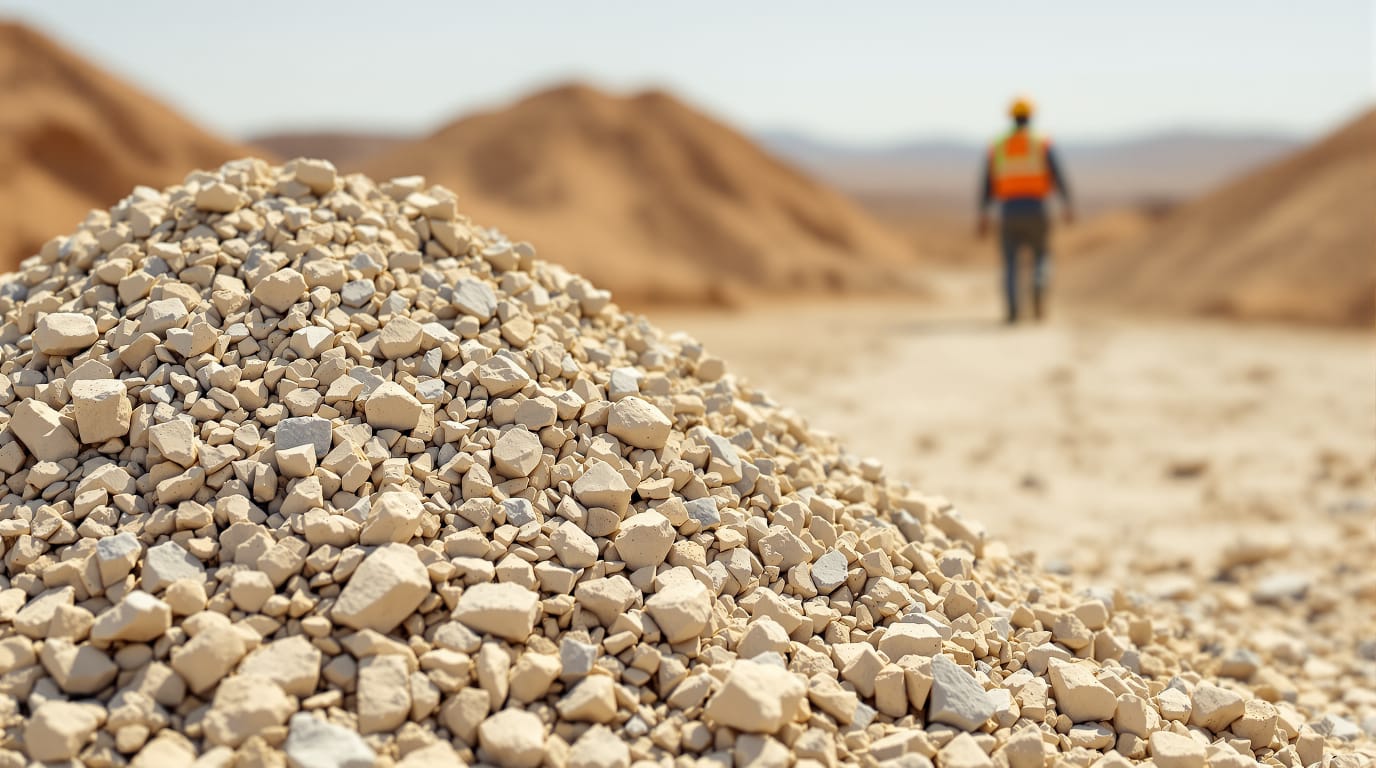
Desert concrete recycling comes with a dust problem, and dust is hard on machines, lungs and neighbors. Water spray at transfer points helps keep it down, as does limiting drop heights and keeping stockpiles damp. Position the machine so that wind carries dust away from occupied areas and crew positions. Dust rules vary by location, so check your local requirements before you set up.
4. Heat Safety for Crusher Operators
Heat safety for crusher operators isn’t optional. People working near running machinery in extreme heat are at real risk, and tired, overheated workers make mistakes around moving equipment.
- Water, shade and rest. Provide cool water and shaded rest areas, and encourage breaks before people feel sick.
- Acclimatize new workers. People new to the heat, or returning after time off, need time to adjust.
- Know the warning signs. Dizziness, confusion, heavy sweating or the opposite, a lack of sweating, need immediate attention.
- Check on each other. A crew that looks out for one another catches problems early.
Heat rules and guidance vary by state and employer, so confirm what applies to your jobs and make sure your plan meets it.
5. Shift the Schedule
If you can, move the hardest work to the cooler parts of the day. Starting early and finishing before the peak afternoon heat saves your people and your machines. Where permits and neighbors allow it, an early start often costs less than the lost production of a midday breakdown.
What You Can’t Control
Some days are simply too hot. Extreme heat, strong winds and dust storms can slow or stop production, and the right call is sometimes to stand down. Good preparation reduces the losses, but it can’t eliminate them, so build some schedule flexibility into summer jobs.
Keep Production Moving All Summer
If you’re gearing up for a hot-weather season, talk to the team at R.R. Equipment about matching a crushing setup to your material and climate.