
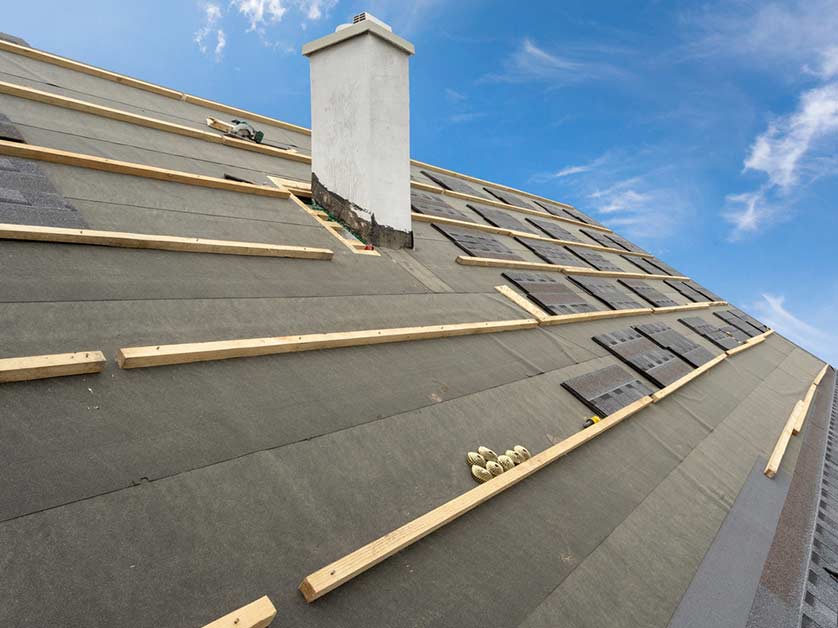
When it comes to roofing, the underlayment is often the unsung hero. While shingles or tiles may steal the spotlight, the underlayment plays a crucial role in ensuring the durability and longevity of your roof. Acting as a protective barrier beneath the visible roofing material, it adds an extra layer of defense against water, weather, and structural damage.
In addition to selecting the right underlayment, proper installation is crucial for maximizing roof durability. A well-installed underlayment acts as a secondary barrier against water infiltration, protecting the home from potential leaks and damage. For those in the Dallas area seeking expert advice and services, Visit our Dallas location to explore a range of roofing solutions tailored to your needs. Our team of professionals is dedicated to ensuring that your roof not only withstands the elements but also enhances the overall longevity and performance of your home. By prioritizing quality materials and expert installation, homeowners can significantly extend the life of their roofs.
If you’re planning a roof replacement or repair,Renosimplicity can help you choose the best underlayment to protect your home. Let’s explore the role of underlayment, its types, and why it’s essential for a durable roof.
What Is Roof Underlayment?
Roof underlayment is a material installed directly on the roof deck, beneath the shingles, tiles, or metal panels. Its primary function is to provide an added layer of protection against moisture infiltration, wind, and other environmental factors.
Even the best roofing materials can have vulnerabilities, such as gaps, cracks, or exposure to extreme weather. Underlayment ensures that your roof remains watertight and performs optimally, even under challenging conditions.
Name: RenoSimplicity
Address: 8074 Bradford Ln, Denver, NC 28037, United States
Phone: +17045507084
Website: https://renosimplicity.com/
Key Benefits of Roof UnderlaymentMoisture Protection
Underlayment acts as a barrier that prevents water from seeping into the roof deck in case of leaks or shingle damage. This is especially important during heavy rains, storms, or ice buildup.
Wind Resistance
During high winds, shingles or tiles may lift or become dislodged. The underlayment helps prevent wind-driven rain from penetrating the roof and causing interior damage.
Additional Insulation
Certain types of underlayment provide an extra layer of insulation, improving energy efficiency and helping maintain consistent indoor temperatures.
Longevity of Roofing Materials
By reducing direct exposure to moisture and heat, underlayment helps extend the lifespan of the visible roofing materials, protecting your investment over the long term.
Fire Resistance
Some underlayment options are fire-resistant, offering an added layer of safety for your home.
Types of Roof UnderlaymentAsphalt-Saturated Felt
This traditional underlayment, often called “felt paper,” is made from a combination of asphalt and natural or synthetic materials.
- Pros: Affordable, easy to install, and provides decent protection.
- Cons: Less durable compared to modern options and may tear easily.
Synthetic Underlayment
Made from woven or spun polypropylene or polyester, synthetic underlayment is a more modern alternative to felt.
- Pros: Lightweight, tear-resistant, and highly durable. It offers superior moisture protection and is UV-resistant.
- Cons: Higher upfront cost compared to asphalt-saturated felt.
Rubberized Asphalt
This premium underlayment includes rubber polymers and asphalt, providing a self-adhesive backing for a watertight seal.
- Pros: Excellent waterproofing and flexibility, ideal for areas prone to heavy rainfall or snow.
- Cons: Expensive and heavier than other types of underlayment.
How to Choose the Right Underlayment
Selecting the right underlayment depends on factors such as climate, roofing material, and budget.
Climate Considerations
In areas like North Carolina, where weather can range from hot, humid summers to rainy and stormy conditions, synthetic or rubberized asphalt underlayment offers the best protection.
Roofing Material Compatibility
Different roofing materials may require specific types of underlayment. For example, metal roofs often pair well with synthetic underlayment due to its tear resistance and durability.
Budget
While asphalt-saturated felt is a budget-friendly option, investing in a higher-quality synthetic or rubberized underlayment may save you money on future repairs and extend your roof’s lifespan.
Installation Matters
Even the best underlayment can fail if not installed correctly. Professional installation ensures:
- Proper alignment and overlap to prevent water infiltration.
- Secure fastening to avoid movement or tearing during extreme weather.
- Adherence to manufacturer specifications to preserve warranties.
How RenoSimplicity Can Help
At RenoSimplicity, we understand that every component of your roof, including the underlayment, plays a critical role in its performance. Our team of experts provides professional installation services, helping you choose the right underlayment to meet your home’s needs and withstand North Carolina’s climate. We prioritize quality and precision to ensure your roof remains durable and watertight for years to come.
Conclusion
Roof underlayment is a vital component of any roofing system, offering protection, durability, and peace of mind. By choosing the right material and ensuring proper installation, you can safeguard your home from moisture, wind, and other environmental challenges.
If you’re ready to upgrade your roof or need expert advice on underlayment options, contact Renosimplicity today. Let us help you create a roof that’s built to last.
Name: RenoSimplicity
Address: 8074 Bradford Ln, Denver, NC 28037, United States
Phone: +17045507084
Website: https://renosimplicity.com/