
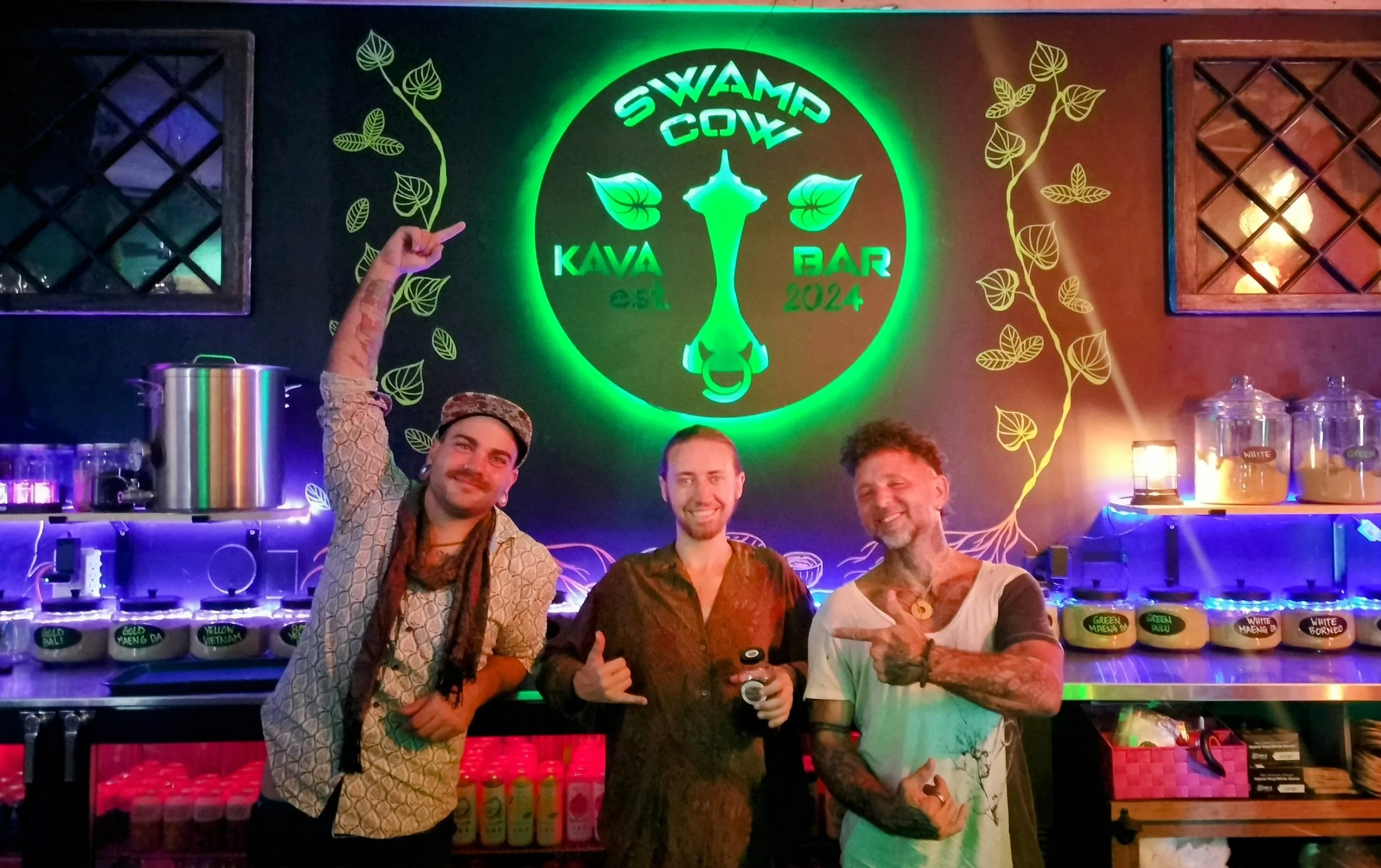
On any given night in cities across the East Coast, a new kind of nightlife is taking shape. Instead of vodka sodas and IPAs, people gather around earthy bowls of kava, botanical teas, and alcohol-free elixirs. The soundtrack is softer, the conversations longer, and the atmosphere noticeably calmer. From South Florida strip malls to Brooklyn lounges and college-town hangouts in the Carolinas, kava bars have evolved from fringe curiosity into one of the fastest-growing alternative social scenes in America.
Kava itself comes from the root of Piper methysticum, a plant native to the South Pacific. For centuries, Pacific Island cultures used kava ceremonially and socially, often drinking it communally to promote relaxation and connection. In the United States, the drink remained relatively obscure until the late 1990s and early 2000s, when a handful of pioneering bars opened in places like New York and Florida.
Today, the East Coast has become the center of America’s kava movement. Florida in particular is often described as the country’s “kava capital,” with dense clusters of bars in Tampa Bay, St. Petersburg, Orlando, Fort Lauderdale, and Miami. Chains and independent operators alike have expanded rapidly, fueled by growing interest in sober-curious lifestyles, wellness culture, and alternatives to traditional nightlife.
One of the defining characteristics of East Coast kava bars is their atmosphere. Unlike conventional bars built around loud music and alcohol sales, kava lounges often resemble a hybrid between a coffee shop, yoga studio, and neighborhood pub. Many are designed for lingering. Customers work remotely during the day, attend open mic nights in the evening, and socialize late into the night without the aggression or intoxication associated with alcohol-heavy environments.
Brands such as Kava Culture have leaned heavily into this identity. Founded in Southwest Florida, the company describes its bars as community-oriented spaces focused on conversation, relaxation, and connection. Other businesses like Kavasutra Kava Bar have expanded across multiple states, including Florida and New York, signaling how mainstream the concept has become.
Florida’s dominance in the scene is impossible to ignore. Tampa Bay, St. Petersburg, and Sarasota developed large kava communities long before much of the rest of the country even knew what kava was. Part of this growth can be attributed to the region’s beach culture and openness to wellness trends, but economics also played a role. Kava bars often require less startup capital than full liquor establishments because they avoid expensive liquor licenses. That made them attractive to younger entrepreneurs searching for lower-barrier entry into hospitality.
Another major factor is the overlap between kava culture and the broader sober-curious movement. Over the last decade, younger Americans have increasingly reduced alcohol consumption, especially Gen Z consumers who are more likely to prioritize wellness and mental health than previous generations. Kava bars emerged at exactly the right moment to serve people who still wanted social experiences without hangovers or alcohol-centric environments.
The East Coast scene also reflects regional differences in personality and presentation. In South Florida, many kava bars feel tropical and energetic, borrowing from surf culture, reggae aesthetics, and nightlife design. Some venues stay open until 2 a.m., effectively replacing traditional bars for a segment of customers. In cities like New York, however, kava spaces tend to blend into the wellness and arts communities. Brooklyn lounges often host poetry readings, meditation sessions, or experimental music nights alongside kava service.
The culture around these spaces can be intensely communal. Many regulars describe kava bars as “third places” — environments separate from home and work where friendships form organically. Online discussions frequently compare the atmosphere to the communal environments found in traditional Pacific Island kava gatherings, although opinions vary on how authentically American bars reflect those traditions.
At the same time, debates about authenticity have become increasingly common as the industry commercializes. Traditional kava preparation is simple and ceremonial, but American bars often add flavored syrups, mocktail presentations, and wellness branding. Some longtime kava enthusiasts argue that modern U.S. bars dilute the cultural roots of kava in favor of trendy marketing. Others see innovation as necessary for introducing unfamiliar audiences to the drink.
Another defining feature of the East Coast scene is the frequent pairing of kava with kratom products. Many kava bars serve both beverages, despite the fact that the two plants have different effects and regulatory histories. Kratom, derived from a Southeast Asian tree, is often marketed as stimulating or euphoric, while kava is associated more with calmness and relaxation. In practice, many customers consume both together.
That overlap has created controversy. Critics argue that combining kava and kratom under one business model confuses consumers and muddies public understanding of traditional kava culture. Some former patrons describe developing expensive daily habits centered around kratom-heavy kava bars. Meanwhile, supporters argue that responsible botanical lounges provide safer alternatives to alcohol or harder substances.
Regulation remains one of the biggest uncertainties facing the industry. While kava itself is generally legal across the United States, health authorities have occasionally raised concerns about liver toxicity and product quality. Recent reports have highlighted increases in poison-control calls involving kava-related products, particularly when combined with kratom or concentrated extracts. Cities and states are still figuring out how to regulate botanical bars, especially when kratom is involved.
New York City has become a battleground over those issues. In one high-profile dispute, a Manhattan café serving kava and kratom sued the city after health officials shut the business down over concerns about “dangerous adulterants.” The case illustrated the uncertain legal environment surrounding the industry, especially in dense urban areas with stricter health oversight.
Despite those tensions, the East Coast kava scene continues to expand rapidly. Industry directories now list hundreds of bars nationwide, with the heaviest concentration stretching from Florida through the Northeast corridor. Entrepreneurs are increasingly branding these venues not merely as bars, but as wellness lounges, alcohol-free nightlife spaces, and community hubs.
Part of the appeal lies in how flexible the concept has become. Some venues emphasize productivity, offering Wi-Fi, coffee, and daytime workspaces. Others focus on live music and nightlife. Businesses like Tribe Tea House and Kava Bar market themselves as community-centered spaces where people can work remotely during the day and socialize at night. Meanwhile, lounges such as Quinteassence frame themselves as botanical sanctuaries rooted in mindfulness and sober social culture.
The clientele has also diversified dramatically. Early American kava bars often attracted niche groups — wellness enthusiasts, surfers, musicians, and alternative-health communities. Today, customers range from remote workers and fitness-minded professionals to people in recovery from alcohol addiction. Some simply want a place to socialize without pressure to drink alcohol. Others are drawn by curiosity and the novelty of the experience.
The aesthetic of East Coast kava bars has become part of their appeal. Neon signs, bamboo décor, lo-fi music, dim lighting, and tropical imagery are common design choices. Social media has amplified this atmosphere, turning many kava bars into visually branded lifestyle spaces that fit neatly into Instagram and TikTok culture. The result is a scene that feels simultaneously bohemian, wellness-oriented, and entrepreneurial.
Yet for all the growth, the industry still faces skepticism. Critics question whether kava bars are a lasting cultural shift or simply another wellness fad. Online discussions frequently debate drink quality, pricing, and authenticity. Some consumers complain that certain bars water down their kava or prioritize aesthetics over substance. Others believe the market will eventually consolidate, leaving only the strongest operators standing.
Still, the momentum behind the East Coast scene appears substantial. The combination of alcohol-free nightlife, wellness branding, community-focused environments, and shifting generational attitudes toward drinking has created fertile ground for expansion. In many cities, kava bars are no longer fringe businesses; they are becoming permanent fixtures of local culture.
Ultimately, the rise of East Coast kava bars reflects broader changes in American social life. Younger consumers increasingly want spaces that emphasize connection without intoxication, wellness without isolation, and nightlife without alcohol dependency. Kava bars offer an answer to that demand, even if the industry is still defining its identity.
Whether the trend becomes fully mainstream or remains a vibrant subculture, one thing is clear: the East Coast has become the beating heart of America’s kava movement. From Florida beach towns to Brooklyn side streets, the kava bar has evolved into more than just a place to drink a Polynesian root beverage. It has become a symbol of how Americans are reimagining what social spaces can look like in the twenty-first century.