
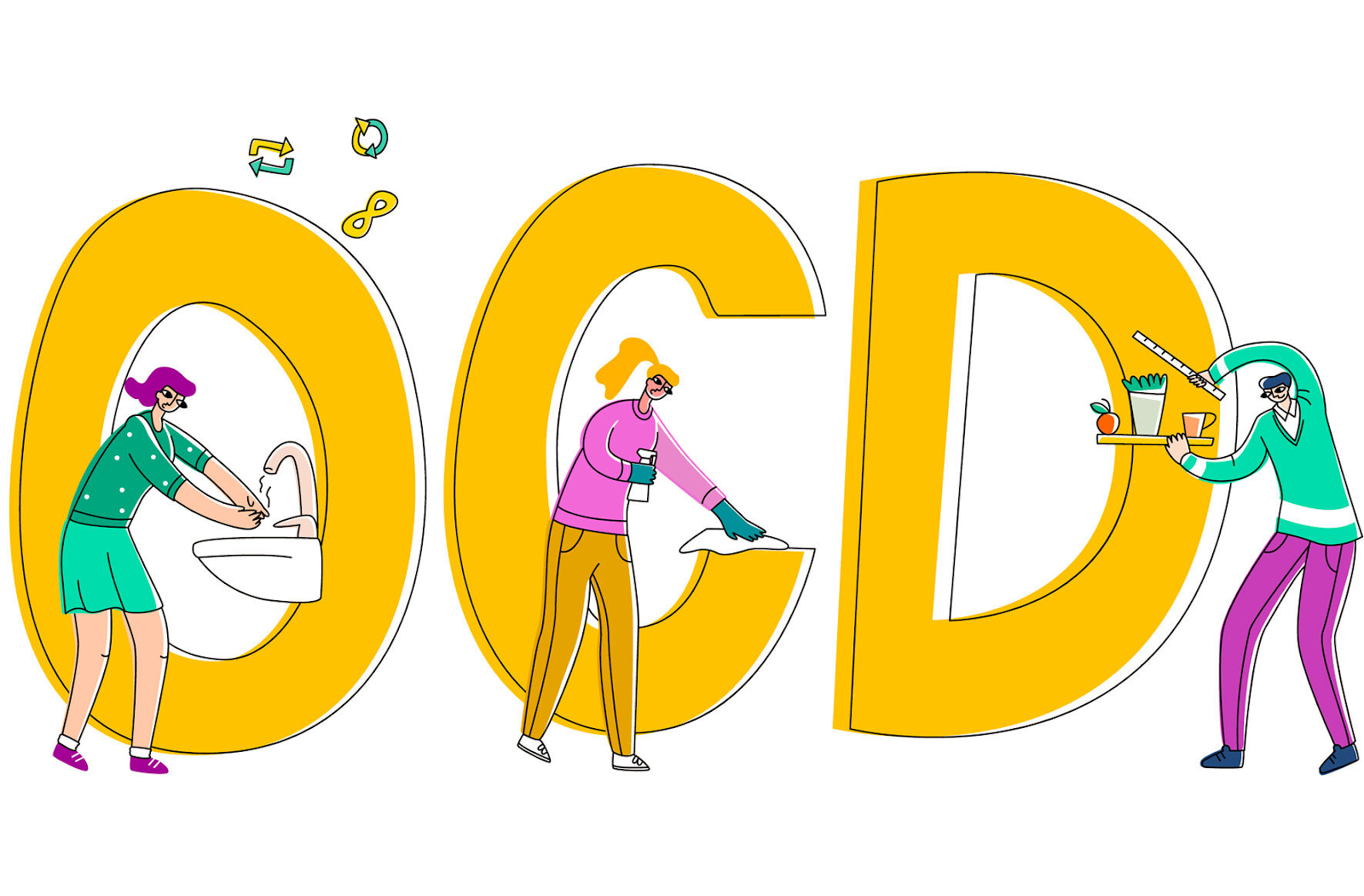
Obsessive-Compulsive Disorder (OCD) is a mental health condition characterized by persistent, intrusive thoughts (obsessions) and repetitive behaviors or mental acts (compulsions) that individuals feel compelled to perform. These symptoms can interfere with daily life, making routine tasks difficult and impacting overall well-being.
Many people with OCD experience distressing thoughts that lead them to engage in specific rituals or behaviors to find relief. Without proper treatment, OCD can become overwhelming, but various therapies and support resources are available to help individuals manage their symptoms effectively.
Symptoms of Obsessive-Compulsive Disorder
People with Obsessive-Compulsive Disorder experience symptoms that fall into two categories: obsessions and compulsions.
Common Obsessions:
- Fear of contamination by germs or dirt
- Intrusive, unwanted thoughts about harm or aggression
- Intense need for symmetry or order
- Fear of making mistakes or forgetting something important
- Unwanted sexual or religious thoughts
- Persistent doubts about actions (e.g., “Did I lock the door?”)
Common Compulsions:
- Excessive cleaning or handwashing
- Repeated checking of locks, appliances, or personal items
- Arranging objects in a specific order
- Counting, tapping, or repeating phrases to reduce anxiety
- Seeking reassurance from others frequently
- Hoarding unnecessary items due to fear of discarding something important
Effective Therapies for Obsessive-Compulsive Disorder
There are several effective treatments available for Obsessive-Compulsive Disorder. The right approach depends on the severity of symptoms and the individual’s response to treatment.
1. Cognitive-Behavioral Therapy (CBT)
Cognitive-Behavioral Therapy is one of the most effective treatments for Obsessive-Compulsive Disorder. It helps individuals recognize irrational thoughts and change their responses. A specialized form of CBT, called Exposure and Response Prevention (ERP), gradually exposes individuals to their fears while preventing compulsive behaviors. Over time, this method reduces the distress associated with obsessions and compulsions.
2. Medication
Selective Serotonin Reuptake Inhibitors (SSRIs) are commonly prescribed to help manage Obsessive-Compulsive Disorder. These medications increase serotonin levels in the brain, reducing the intensity of obsessions and compulsions. It may take several weeks for noticeable improvements. Commonly prescribed SSRIs for OCD include fluoxetine, fluvoxamine, and sertraline.
3. Acceptance and Commitment Therapy (ACT)
ACT focuses on helping individuals accept intrusive thoughts without acting on them. This therapy emphasizes mindfulness and behavioral changes that align with personal values, reducing the distress caused by obsessions. Instead of trying to suppress or fight thoughts, individuals learn to coexist with them in a way that doesn’t interfere with daily life.
4. Inference-Based Therapy (IBT)
IBT helps individuals challenge faulty reasoning that leads to obsessive thoughts. It trains individuals to differentiate between imagination and reality, reducing obsessive doubts and compulsive behaviors. By improving cognitive processes, IBT offers an alternative approach for individuals who may not respond well to traditional CBT.
5. Deep Brain Stimulation (DBS) and Emerging Treatments
For individuals with severe, treatment-resistant OCD, Deep Brain Stimulation (DBS) is an option. This involves implanting electrodes in specific areas of the brain to help regulate obsessive thoughts. While still considered an emerging treatment, DBS has shown promising results in improving symptoms for individuals who have not responded to other therapies.
Level Up Wellness Group provides comprehensive wellness programs that integrate mental and physical health approaches to support individuals managing OCD.
Support Resources for People with Obsessive-Compulsive Disorder
Finding the right support system is essential for managing Obsessive-Compulsive Disorder effectively. A strong support network provides emotional encouragement and access to practical tools that aid recovery.
1. Support Groups
Support groups provide a safe space for individuals to share their experiences and learn from others facing similar challenges. Both in-person and online groups offer valuable emotional support. Joining a group helps individuals feel less alone and provides an opportunity to discuss coping strategies that have worked for others.
2. Educational Materials
Understanding Obsessive-Compulsive Disorder is a crucial step in managing it. Books, articles, and videos on OCD help individuals and their families learn about symptoms, treatments, and coping strategies. Reliable educational resources can empower individuals to take an active role in their recovery journey.
3. Professional Treatment Centers
Specialized mental health centers offer structured treatment programs that focus on Obsessive-Compulsive Disorder. These centers provide intensive therapy, including ERP and group sessions, to help individuals overcome their symptoms. Programs at these facilities may range from outpatient therapy to residential treatment for severe cases.
4. Mobile Applications
Several mobile apps provide guided therapy exercises, mindfulness techniques, and progress tracking for individuals with Obsessive-Compulsive Disorder. These tools complement professional treatment and offer daily support. Popular apps include meditation and anxiety-reducing tools designed to help manage OCD symptoms in real-time.
5. Self-Help Books
Books written by mental health professionals provide practical exercises for managing Obsessive-Compulsive Disorder. They offer step-by-step guides to coping strategies based on CBT and ERP principles. Many individuals find self-help books useful alongside therapy as a way to reinforce learned techniques.
6. Family and Friends as a Support System
Having supportive family members and friends can make a significant difference in managing Obsessive-Compulsive Disorder. Encouragement, patience, and understanding from loved ones help individuals feel less isolated and more motivated to follow their treatment plans. Family members can also benefit from learning about OCD to provide better support.
7. Holistic and Alternative Approaches
In addition to traditional treatments, holistic approaches like yoga, meditation, and dietary changes can help manage stress levels and reduce OCD symptoms. Some individuals benefit from incorporating relaxation techniques into their daily routine.
Conclusion
Obsessive-Compulsive Disorder is a challenging condition, but effective therapies and support resources can help individuals manage their symptoms and improve their quality of life. Seeking professional treatment, learning about the disorder, and building a strong support network are key steps toward overcoming the difficulties associated with Obsessive-Compulsive Disorder.
A combination of therapy, medication, and community support can significantly improve daily functioning. With the right help, individuals can lead fulfilling and productive lives. For additional wellness and therapy resources, visit luwg.ca.