
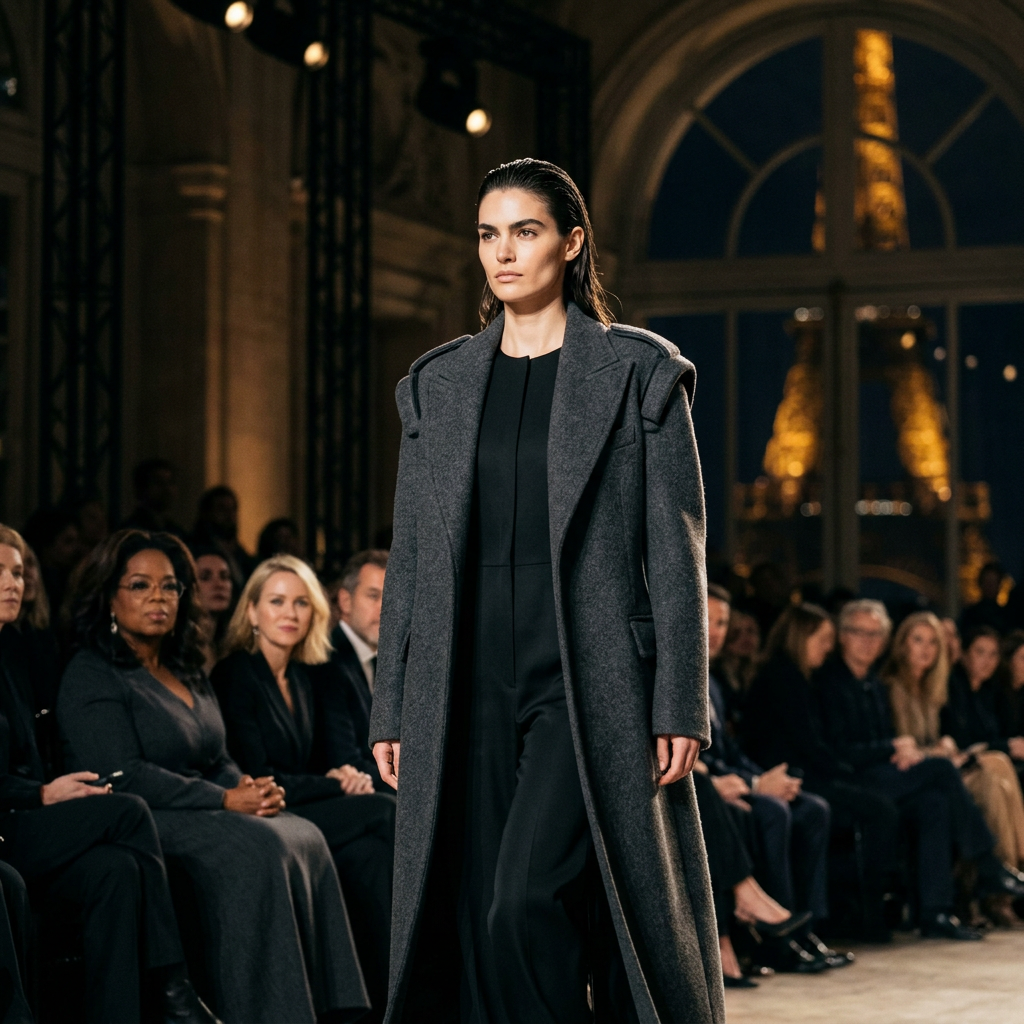
Initially, I viewed fashion collaborations purely as marketing initiatives.
Every time two brands joined forces, I made an assumption. The collaboration was an attempt by one party to attract attention and by the other to attract a new audience. All these products were temporary and all this fuss was purely artificial. I thought so for years.
My views did not change with each new collaboration.
Seeing a lot of collaborations over the years, I was confident that they followed a certain pattern. A celebrity collaborates with a fashion label. A luxury house collaborates with a sportswear company. There is a reaction from social media users. A limited collection sells out and there is another sensational announcement.
So it seemed.
When My Perspective Started to Change
Everything changed when I started to observe the long-term effect of some collaborations on the reputation of brands. It turned out that campaigns which initially seemed purely temporary leave a mark on the image of a brand. Fashion collaborations have become more important because they help brands expand their reach and reinforce their identity. The more examples I saw in WorldFashionNews, the more I realized that these collaborations often have a lasting impact on brand perception.
That is why my view on the essence of collaborations changed radically.
Probably, fashion collaborations are more than a sales promotion tool.
Why the Best Collaborations Feel Different
As soon as I began to perceive collaborations this way, I understood that a new pattern emerges. The best collaborations are not necessarily those that get the most publicity. They are the ones where two completely unrelated universes connect and form some kind of cultural bond. Customers do not buy a product but rather react to a story, cultural link, or an entirely new perception of the brand.
This is particularly true for luxury fashion.
Luxury houses build their identities over decades by focusing on craftsmanship, exclusivity, heritage, and status. Initially, a collaboration with a company that belongs to a completely different segment can seem risky. However, there are collaborations that only reinforce the brand’s identity rather than undermine it. Instead of confusing customers, collaborations provide more tools for understanding the brand.
Fashion Collaborations as Cultural Statements
At the same time, the above applies not only to luxury fashion.
Collaborations between streetwear brands and artists, musicians, athletes, and even technology companies are often cultural statements. They express values, interests, and even allegiances that go beyond clothes. In many cases, a fashion collaboration reflects a brand’s position within a dynamically changing market.
Moreover, I was unaware of the importance of authenticity for modern consumers.
They see a lot of marketing efforts every day. Therefore, they have become very skilled at recognizing what appears purely artificial. Publicity-driven collaborations often receive little attention after the initial announcement. In contrast, collaborations based on genuine creative interaction generate stronger engagement because of the natural connection between the participants.
Why Some Collaborations Remain Relevant
I also observed that some collaborations remain relevant within the fashion industry for many years. Fashion writers reference them in articles. Designers mention their influence. People remember these collaborations long after the products disappeared from store shelves.
There is no way to explain such longevity through marketing alone.
This suggests that collaborations not only can change the identity of a brand but can also affect the development of an entire industry in terms of design, branding, and culture.
The Lesson I Learned From Fashion Collaborations
The key lesson that I drew from collaborations is that they demonstrate the flexibility of a brand. There are companies that successfully expand while preserving their identity at the same time. There are also brands that cannot combine innovation and consistency in their operations. A collaboration becomes a public test of that balance.
Nowadays, when I see another fashion collaboration, I no longer think of it simply as a new collection or product release.
Instead, I try to answer other questions:
Which audience is the brand trying to reach?
What message does it send?
How does this collaboration fit into the overall strategy of brand development?
What do we learn about the brand through this collaboration?
The answers are often more interesting than the products themselves.
Skepticism eventually gave way to the understanding that fashion collaborations are much more than business initiatives. They are a signal of a brand’s ability to adapt and communicate.